
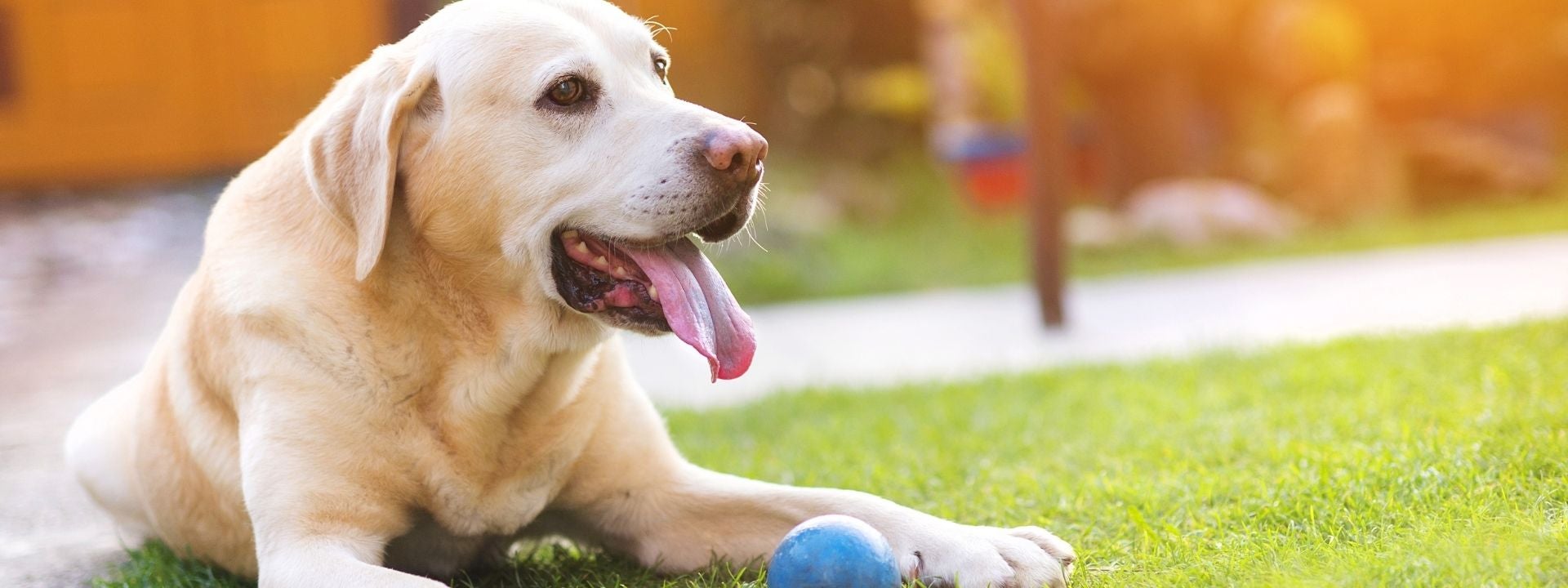
Summer in northern Utah is a season for family road trips, afternoons at the park, backyard gatherings, and exploring the outdoors with your four-legged companion. While the temperatures may not always seem extreme, dogs and cats can become overheated much faster than people. Heatstroke is one of the most serious warm-weather emergencies veterinarians treat, and without prompt care, it can quickly become life-threatening.
At Canyon View Cares Veterinary Hospital in Perry, we encourage pet owners to think ahead before heading outdoors. Understanding how heatstroke develops, recognizing the earliest symptoms, and knowing what to do if your pet becomes overheated can help prevent a frightening emergency and keep your companion safe all summer long.
How Pets Regulate Body Temperature
Every pet naturally generates heat while walking, running, playing, or even resting. Under normal circumstances, the body releases that heat efficiently. However, dogs and cats don't cool themselves the same way humans do.
Dogs depend primarily on panting to remove excess body heat, while cats cool themselves through grooming and limited sweating from their paw pads. When outdoor temperatures rise or physical activity becomes too intense, these cooling methods can no longer keep up.
As internal body temperature climbs, the body's organs begin experiencing stress. If the body cannot cool itself quickly enough, heatstroke develops.
This condition affects multiple organ systems and should always be considered a medical emergency.
Heatstroke Can Develop During Everyday Activities
Many pet owners assume heatstroke only occurs after strenuous exercise or when pets are left inside vehicles. While those situations certainly increase risk, overheating can happen during routine summer activities as well.
Examples include:
- Daily neighborhood walks
- Playing fetch in the backyard
- Hiking local trails
- Spending the afternoon outside with family
- Attending outdoor events
- Riding in vehicles without adequate air conditioning
- Relaxing on sunny patios
Even mild to moderate temperatures can become dangerous when pets exercise for long periods or don't have opportunities to cool down.
Early Signs Your Pet May Be Overheating
One of the best ways to protect your pet is by recognizing subtle changes before the situation becomes critical.
Watch for:
- Heavy panting
- Excessive drooling
- Rapid breathing
- Bright red gums
- Weakness
- Slowing down during walks
- Fatigue
- Vomiting
- Mild diarrhea
- Reluctance to continue exercising
Some pets begin looking for cool grass, shade, or tile floors. Others simply become quieter than normal or stop participating in activities they usually enjoy.
These warning signs are your opportunity to intervene before heatstroke progresses.
Advanced Symptoms Require Immediate Veterinary Attention
As body temperature continues to rise, symptoms become increasingly severe.
Emergency warning signs include:
- Difficulty standing
- Loss of balance
- Collapse
- Confusion
- Tremors
- Seizures
- Pale or bluish gums
- Bloody diarrhea
- Loss of consciousness
These symptoms require immediate veterinary care.
Every minute matters because heatstroke can quickly affect the brain, heart, kidneys, liver, lungs, and digestive tract.
Which Pets Are Most Vulnerable?
Although any pet can develop heatstroke, some animals require additional protection during the summer.
Flat-Faced Breeds
Brachycephalic breeds have shortened airways that make cooling through panting less efficient.
These include:
- Bulldogs
- French Bulldogs
- Pugs
- Boston Terriers
- Shih Tzus
Persian and Himalayan cats are also more susceptible because of their facial structure.
Senior Pets
Older pets often have underlying health conditions that reduce their tolerance for warm weather.
Puppies and Kittens
Young animals have immature temperature regulation systems and can overheat much faster than adults.
Overweight Pets
Extra body fat traps heat and increases stress on the cardiovascular system.
Pets with Existing Medical Conditions
Heart disease, respiratory disorders, obesity, and endocrine diseases all increase the likelihood of heat-related illness.
Knowing your pet's individual risk factors allows you to make safer decisions throughout the summer.
Hot Surfaces Can Increase the Risk
Air temperature is only part of the story.
Concrete sidewalks, asphalt parking lots, decorative rock, and wooden decks all absorb sunlight throughout the day. These surfaces may become much hotter than the surrounding air.
Not only can they burn sensitive paw pads, but they also contribute to increasing your pet's body temperature during walks.
A simple way to check is by placing the back of your hand on the pavement for several seconds.
If you can't comfortably keep your hand there, it's too hot for your pet.
Choosing grassy routes whenever possible is a much safer option.
Never Leave Pets in Parked Cars
One of the most preventable causes of heatstroke continues to be pets left unattended inside vehicles.
Temperatures inside parked cars rise rapidly, even with windows partially open.
Within minutes, conditions can become dangerous.
If your pet cannot accompany you inside your destination, it's safest to leave them at home where they can stay cool and comfortable.
What Should You Do If Your Pet Is Overheating?
If you suspect your pet is becoming overheated, begin cooling them immediately.
- Move them into an air-conditioned room or shaded location.
- Offer small amounts of cool drinking water.
- Apply cool water to the belly, paws, legs, and neck. Avoid ice water because cooling too quickly may interfere with the body's natural cooling process.
- Use a fan if available to improve air circulation.
- Contact your veterinarian immediately.
Even if your pet begins acting normally after cooling down, they should still receive a veterinary examination because internal injuries may continue developing after body temperature starts to decrease.
Preventing Heatstroke Every Day
Fortunately, preventing heatstroke is often much easier than treating it.
Simple habits include:
- Walking during cooler morning or evening hours.
- Bringing water on every outing.
- Allowing frequent breaks during exercise.
- Avoiding strenuous activity during the hottest part of the day.
- Providing constant access to shade.
- Keeping pets indoors during hot afternoons.
- Watching closely for signs of fatigue or excessive panting.
- Adjusting activities based on your pet's breed, age, and overall health.
These simple precautions greatly reduce the risk of overheating.
Enjoy Summer with Confidence
Summer is a wonderful time to make memories with your pet, but it's also a season that requires extra awareness. Heatstroke can develop quickly, yet it often provides warning signs that allow owners to step in before the situation becomes life-threatening.
If your dog or cat begins panting excessively, drooling heavily, slowing down during activity, or acting unusually tired, don't ignore those changes. Prompt action and timely veterinary care can make all the difference.
At Canyon View Cares Veterinary Hospital in Perry, we're committed to helping pets and their families enjoy every season safely. Whether your companion needs preventive wellness care, advice about warm-weather safety, or prompt treatment for a heat-related illness, our experienced veterinary team is here to provide compassionate care you can trust.
With thoughtful planning and a little extra attention, you can help your pet stay cool, healthy, and ready to enjoy every adventure that summer brings.