
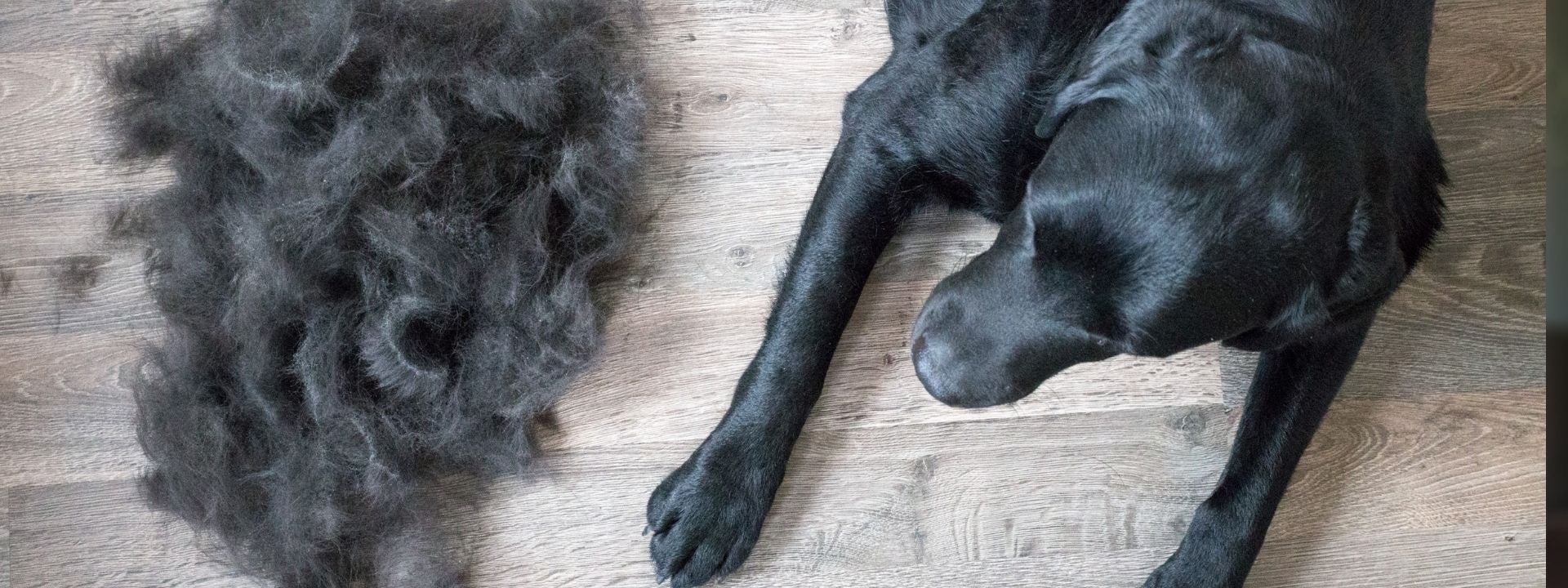
If you are noticing more pet hair collecting around your home, shedding season may be in full swing. Dogs and cats naturally shed as their coats adjust to changing temperatures and daylight patterns. In Perry and nearby communities, seasonal weather changes combined with indoor living environments can make shedding feel more noticeable at certain times of the year.
While shedding is a normal part of a healthy coat cycle, preparation and consistency can help pet owners manage loose fur more effectively. With regular grooming routines, balanced nutrition, thoughtful home preparation, and preventative veterinary care, pets can stay comfortable while families maintain a cleaner living space. Pet owners can turn to the experienced team at Canyon View Cares Veterinary Hospital in Perry for compassionate care and personalized wellness guidance.
Why Pets Shed More During Seasonal Changes
Shedding helps pets replace older or damaged fur with new growth that better suits environmental conditions. Many pets lose thicker coats in spring as temperatures rise and may experience another coat transition in fall as cooler weather approaches.
In northern Utah’s seasonal climate, shedding cycles can vary widely. Pets that spend more time outdoors may shed more heavily during seasonal transitions, while indoor pets may shed more consistently throughout the year due to artificial lighting and climate controlled homes.
Although shedding is typically harmless, sudden hair loss, bald patches, or irritated skin should be evaluated by a veterinarian. These signs may indicate allergies, parasites, infections, or hormonal conditions that require medical attention.
Canyon View Cares Veterinary Hospital provides veterinary care, boarding, and grooming services for cats and dogs, helping local pet families address coat and skin concerns at every life stage.
Start Grooming Before Shedding Peaks
One of the most effective ways to manage shedding is to begin grooming routines before loose fur becomes overwhelming. Removing dead hair regularly helps prevent matting and reduces the amount of hair that spreads throughout your home.
Build Consistent Brushing Habits
Frequent brushing distributes natural skin oils that help keep coats shiny and healthy. It also gives pet owners an opportunity to monitor for skin changes, lumps, or parasites.
Long haired pets may benefit from daily brushing during peak shedding periods, while short haired pets often require grooming several times each week. Choosing grooming tools designed for your pet’s coat type helps make brushing more comfortable and effective.
Short, predictable grooming sessions are typically more successful than occasional long sessions. Creating a routine can significantly reduce shedding buildup over time.
Bathe With Purpose
Bathing can help loosen excess fur and hydrate dry skin. Most pets benefit from bathing every four to six weeks using veterinarian recommended shampoos.
Bathing too frequently can remove protective oils and increase shedding. Following each bath with brushing helps remove loosened hair and prevent tangles from forming.
Professional Grooming Support
Pets with dense undercoats or heavy shedding may benefit from professional grooming services. Groomers use specialized tools that help remove trapped fur more efficiently than at home grooming alone.
Veterinary professionals can also recommend grooming schedules based on breed, coat condition, and lifestyle factors.
Nutrition and Hydration Support Coat Health
Healthy shedding patterns begin with balanced nutrition. Diets rich in high quality protein help support strong hair growth, while omega fatty acids promote skin hydration and reduce inflammation.
Hydration is equally important. Pets that do not drink enough water may develop dry skin, which can contribute to increased shedding.
If coat quality changes suddenly or shedding becomes excessive, nutritional deficiencies or underlying medical issues may be involved. Veterinary consultations can help determine whether dietary adjustments or supplements are needed.
Canyon View Cares offers wellness care and preventative health options that allow pet owners to support their pet’s overall health with manageable monthly care plans.
Prepare Your Home for Shedding Season
Even with consistent grooming habits, shedding season often brings more fur into the home. Preparing your living space can make cleanup easier and reduce frustration.
Maintain a Routine Cleaning Schedule
Frequent vacuuming, sweeping, and washing pet bedding can help control loose hair and allergens. Many pet owners find that shorter daily cleaning sessions are easier than tackling larger messes later.
Designating specific lounging areas for pets can help contain shedding. Washable blankets, furniture covers, and pet beds simplify cleanup while protecting household surfaces.
Lint rollers and upholstery brushes are simple tools that can help manage pet hair on clothing and furniture.
Improve Indoor Comfort
Air purifiers may help reduce airborne hair and dander. Maintaining appropriate humidity levels indoors can also support skin health and reduce dryness related shedding.
Small environmental adjustments often improve comfort for both pets and their families during peak shedding periods.
Encourage Exercise and Reduce Stress
Shedding patterns can be influenced by more than seasonal coat changes. Stress, inactivity, and hormonal fluctuations may contribute to increased hair loss. Providing regular exercise and mental stimulation supports overall wellness and balanced coat cycles.
Dogs benefit from structured walks, interactive play sessions, and training activities that keep them engaged. Cats also thrive with enrichment such as climbing structures, puzzle toys, and scheduled playtime.
Routine brushing is especially helpful for cats during shedding season. Although cats groom themselves, additional brushing can reduce hairballs and prevent matting in longer coats.
Know When Shedding Requires Veterinary Attention
Seasonal shedding should follow predictable patterns.
Pet owners should seek veterinary care if they notice:
- Bald patches or uneven hair loss
- Persistent itching or licking
- Red, flaky, or inflamed skin
- Changes in coat texture or shine
- Behavioral changes such as decreased appetite or energy
Early diagnosis often leads to better outcomes and improved comfort. Veterinary teams can evaluate skin health, recommend treatment options, and develop personalized care plans.
Build a Long Term Plan for Managing Shedding
Successfully managing shedding season involves preparation and consistency. Starting grooming routines before shedding peaks, maintaining balanced nutrition, monitoring skin health, and scheduling routine veterinary visits all contribute to healthier coats and less stress at home.
Creating predictable care habits allows pet owners to stay ahead of seasonal changes rather than reacting once shedding becomes overwhelming. With proactive routines and professional guidance, shedding season can become a manageable part of responsible pet ownership.
Pet families throughout Perry, Brigham City, and surrounding Box Elder County communities can rely on compassionate veterinary teams for preventative care, diagnostics, and personalized recommendations that support skin and coat wellness throughout the year.
Plan Ahead for Seasonal Coat Changes
If your pet’s shedding seems excessive or you would like help developing a personalized coat care routine, scheduling a wellness visit is an excellent next step. Veterinary professionals can evaluate coat condition, discuss grooming strategies, and recommend nutrition or treatment solutions tailored to your pet’s needs.
Preparing early helps ensure pets remain comfortable and healthy as seasonal coat changes occur, making shedding season easier for both pets and their families.